


Blackjack 21+3 Side Bet: A Different Way to Read the Table
Most players treat the main blackjack wager as the only serious engagement on the felt, but the blackjack 21+3 side bet shifts the priority toward immediate payout structure rather than long-session card counting. I’ve sat across strategy tables in live entertainment and sports media where the commercial model only scales when the short-cycle hook is priced and displayed correctly, and that same discipline applies here: the side bet is designed for players who want a defined variance spike, not a replacement for the base game. If you’re scanning options after a long arvo and want something that pays out on a clean three-card pattern, the mechanics matter more than the marketing. A few operators now bundle a $10 payid casino no deposit bonus into their welcome flow, which can let you test the side bet’s payout rhythm without committing your own bankroll first.
How the 21+3 Payout Grid Actually Works
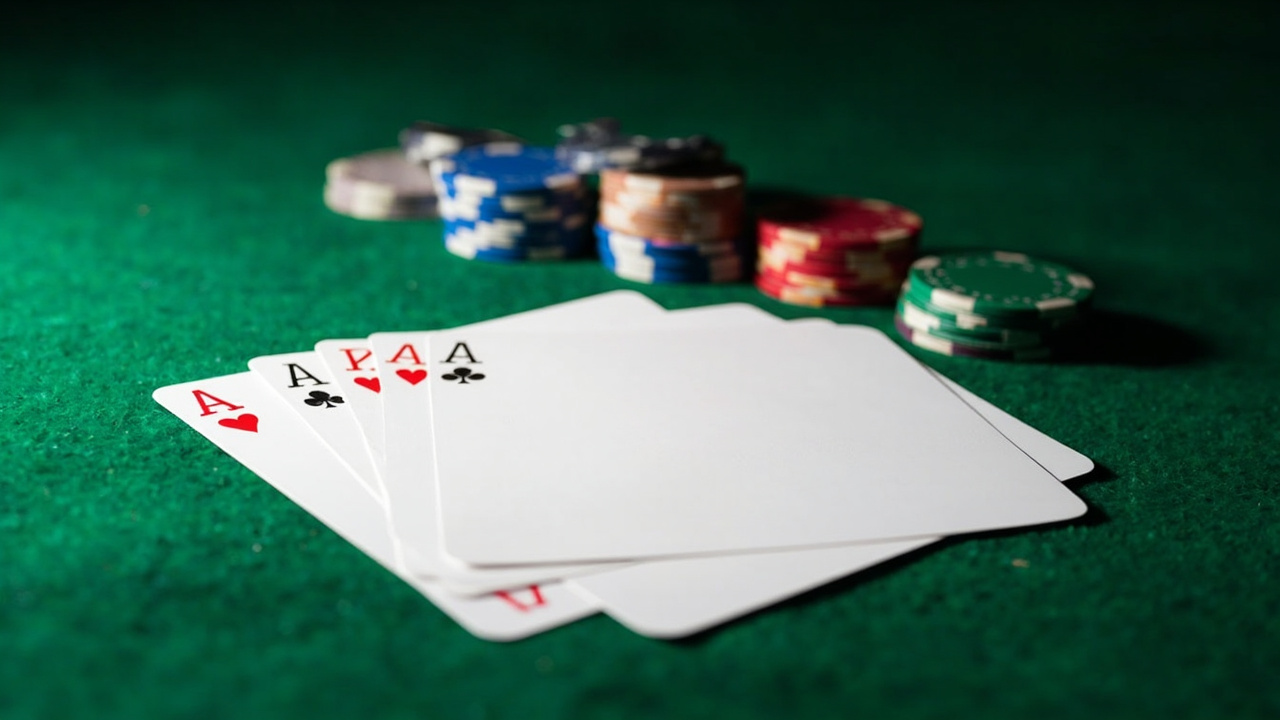
The 21+3 side bet pays when your first two hole cards plus the dealer’s upcard form a recognised three-card combination, and the payout grid is where the commercial logic becomes visible. A suited trio, a straight flush, or a standard flush each carry different coefficients, and the house edge moves depending on how many decks are in the shoe and how the operator weights the lower-tier pays. From a product standpoint, I’ve seen media and gaming launches fail when the advertised hook doesn’t match the actual frequency of hits, so the sensible read is to treat the side bet as a variance instrument with a known cost per spin rather than a hidden edge. If you’re playing in Wollongong at a local lounge that runs a six-deck shoe, the combination frequency will differ from a single-deck pitch, and that changes how often the side bet wakes up during a normal session. The base blackjack game still runs on its own rules for doubling, splitting, and insurance, so the side bet should be sized as a separate line item in your session plan, not folded into your main bet sizing.
Sizing the Side Bet Against Your Session Plan
Responsible sizing starts with treating the 21+3 wager as a defined overlay, because the hit rate is lower than most casual players expect and the variance can swing a short session quickly. A practical way to run it is to set a fixed percentage of your total table bankroll for the side bet and stick to it regardless of whether you’ve just hit a suited combination or gone through a dry stretch. Here’s a simple process a player can follow when they sit down:
- Decide your total session bankroll before you approach the table and convert it into a base-unit size for the main blackjack wager.
- Allocate a separate side-bet unit that sits comfortably below your main unit, so a losing streak on the 21+3 line doesn’t force you to resize the core game.
- Check the shoe composition and the displayed payout grid before placing the side bet, because multi-deck shoes and trimmed pay tables change the expected frequency of hits.
- Place the side bet only when the table rhythm matches your plan, and avoid increasing the overlay after a near-miss since the next hand is independent of the previous one.
- Cap the side-bet spend for the session and step away once you’ve reached that limit, treating any win as a bonus rather than a signal to keep pressing.$10 payid casino no deposit bonus
That approach keeps the side bet readable as a commercial choice rather than a momentum play, which is the same discipline I’ve applied when evaluating live-event ticketing and media bundles where the short-term hook has to survive its own frequency. If you’re comparing welcome offers, pay attention to wagering requirements, game contribution percentages, and max bet caps during the bonus period, because a promo that looks generous on the surface can quietly restrict how the side bet contributes to clearance. Operators that publish those terms clearly tend to run a cleaner product, and that transparency matters more than a flashy headline when you’re deciding where to test the 21+3 grid.
Where the Side Bet Fits in a Broader Casino Session
The 21+3 side bet works best as a deliberate variance add-on inside a broader session, not as the main event that replaces disciplined base-game play. Its appeal is the immediate feedback loop: you see three cards, you get paid or you don’t, and the result is independent of the longer blackjack decision tree. That makes it useful for players who want a secondary line of interest without abandoning the main strategy of the table, but it also means the side bet https://inner-colour.com/casino-holdem-online-rules-and-strategy-for-australian-players/ should be budgeted with the same honesty you’d apply to any short-cycle entertainment spend. In my experience across gaming and sports media commercial teams, the products that hold up over time are the ones where the player can see the cost, the frequency, and the limit in one glance, rather than being nudged toward a larger commitment by a vague promise of excitement. If you’re playing locally around Wollongong or logging in from a mobile device after work, the same principle applies: keep the side bet as a defined slice of the session, watch the shoe and the pay table, and let the base game carry the strategic weight.
The clearest read is that the blackjack 21+3 side bet rewards players who understand it as a separate variance mechanism with its own payout grid, frequency, and bankroll line. Treat it that way, keep the base game as the anchor, and the side bet becomes a useful secondary option rather than a distraction from the table’s actual maths.

Leave a Reply